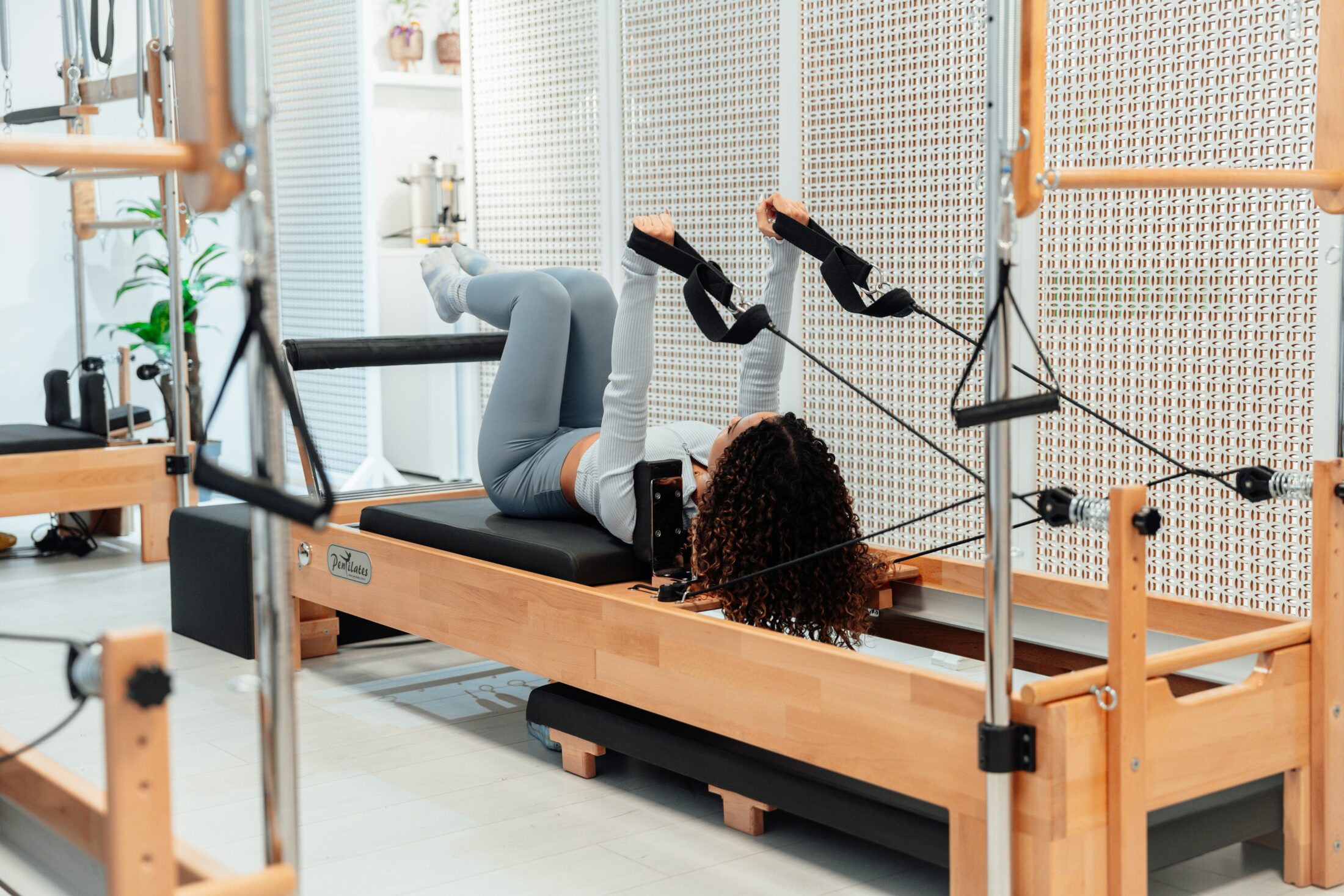
New research from business insurance provider Protectivity has revealed the fastest-growing business types in the UK, with Reformer Pilates instructors, artists and cleaning businesses seeing the sharpest year-on-year growth as we enter 2026.
The findings, based on Protectivity’s business insurance application data between 2024 and 2025, come at a time when self-employment continues to underpin the UK economy. Sole proprietorships now account for 56% of all UK businesses, while 73,450 new businesses were added to the Inter-Departmental Business Register (IDBR) in Q3 2025 alone.
While professional, scientific and technical services remain the largest industry group, representing 15.3% of all registered UK businesses, Protectivity’s data shows that growth is increasingly being driven by hands-on, service-led and passion-based businesses, signalling a shift towards more lifestyle-oriented entrepreneurship.
According to Protectivity’s data, Reformer Pilates businesses experienced the most dramatic rise, with applications up 948% year-on-year, reflecting not just the continued boom in boutique fitness but also a growing consumer preference for personalised, low-impact wellness solutions that cater to both physical health and mental wellbeing. This surge highlights how niche, specialist fitness offerings are increasingly capturing a market once dominated by traditional gyms.
Creative and practical trades also saw notable increases, with the number of professional artists (painting, prints and drawings) growing by 238%, and cake making and home baking businesses rising by 198%, underscoring the growing viability of creative side hustles evolving into full-time ventures. This trend illustrates a broader societal shift towards entrepreneurship driven by passion projects, fueled in part by social media platforms enabling direct-to-consumer sales and brand-building.
Cleaning and trades-based services continue to demonstrate steady demand, with multi-purpose cleaning businesses up 201%, and carpet and upholstery cleaners rising 170% year-on-year. These sectors’ growth reflects both the ongoing importance of practical services in daily life and the opportunity for new businesses to offer flexible, localised solutions to homeowners and commercial clients.
Fitness-led businesses also dominate the top ten, with martial arts (167%), kickboxing (159%), and boxercise (135%) all showing strong growth, underlining the continued shift towards community-led, specialist fitness offerings. Beyond health and wellness, this trend also points to consumer desire for engaging, social experiences in fitness, where group classes and instructor expertise create added value beyond simple workouts.
Category-level growth highlights
When analysed at a broader category level, cleaning businesses recorded the strongest overall growth, with applications up 185%, followed by craft businesses (97%) and nail technicians and make-up artists (63%).
This rise closely mirrors the motivations driving people into starting their own businesses. For both men and women, the primary appeal is the desire to be their own boss, with control over hours, projects and clients cited by 66% of men and 62% of women. While autonomy matters across the board, flexibility is significantly more important to women as 63% of women value flexible working compared to just 41% of men.
Commenting on the findings Chris Trotman, Underwriting Manager, at Protectivity said: “Together, these trends point to a broader shift in the UK’s entrepreneurial landscape. Low barrier to entry businesses, often run by sole traders or small teams, are playing an increasingly prominent role. Their appeal lies in flexible working patterns, relatively low start-up costs and the ability to adapt quickly to changing consumer demand.
“Cleaning services, for example, benefit from consistent, ongoing demand, while craft and beauty businesses are being fuelled by the rise of e-commerce and social media, enabling micro-businesses to reach wide audiences with minimal overheads.”
Case study: Creative success after a decade in business
Amy Stringer, a contemporary jeweller and ceramicist based in Leeds, celebrates ten years of owning her own business this year. Her work blends traditional techniques with contemporary design, and she also runs jewellery‑making workshops that share her craft skills with others.
Amy comments: “When I started my business ten years ago, it was just about making pieces I loved and finding ways to support myself through my creativity. Over time, as interest in handmade, meaningful work has grown, I’ve been able to turn that passion into a sustainable livelihood.
“Setting up my own business has allowed me to thrive creatively but it doesn’t come without difficulties. Being a business owner means juggling everything from marketing, accounting and admin, alongside the creative elements of the business.
“It’s not always the easiest route but I’m thrilled to see more people finding confidence to turn their talents into thriving businesses. The rise in people seeking out unique, locally‑made crafts and hands-on creative experiences has been a game‑changer for my business. Workshops have become a huge part of what I do, helping others explore their creativity and, for many, sparking their own entrepreneurial journeys too.”
Chris adds: “The rise of these categories highlights a shift in the workforce towards more independent, self-directed careers. Many new entrepreneurs are motivated not only by income potential but also by lifestyle considerations, such as balancing work with family commitments or pursuing a passion, reflecting a broader cultural shift towards entrepreneurial autonomy in the UK.
“Many of these businesses are launched by sole traders, often turning a passion or side hustle into a viable long-term business. As we move into 2026, it’s clear that flexibility, personalisation and community-driven services are set to continue shaping the future of employment in the UK.”
“As more individuals look to start or scale their own businesses, it’s crucial to ensure they have the right protection and insurance in place which will be critical to supporting long-term sustainable growth.”
For more information on business insurance, visit: https://www.protectivity.com/product/business-insurance/